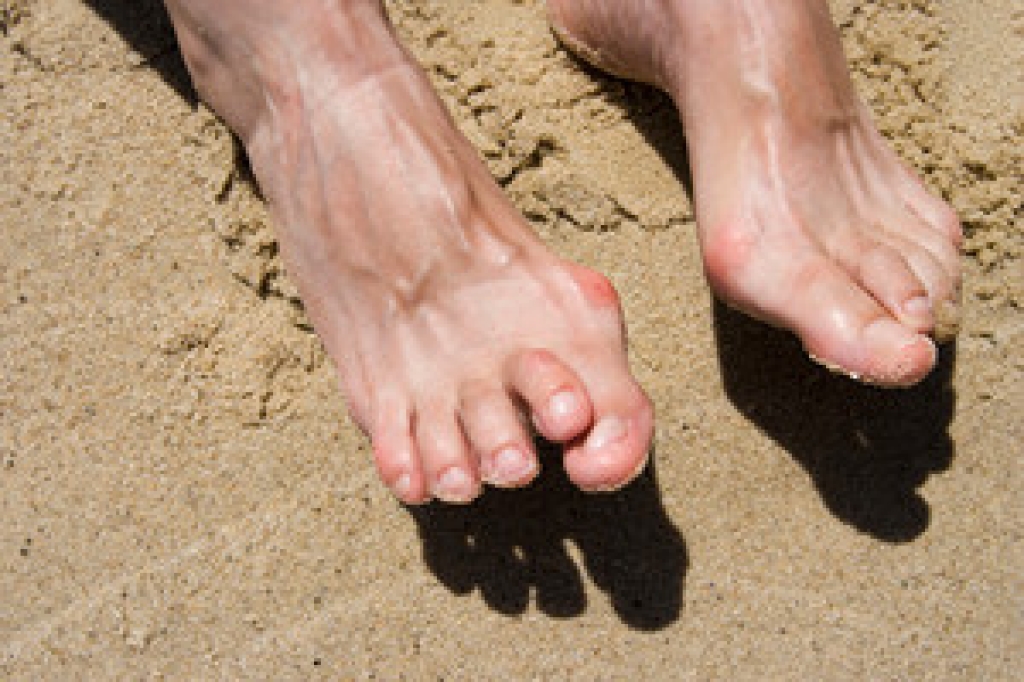
Hammertoes and Choosing the Right Footwear for Comfort

A hammertoe is a deformity that causes one of the smaller toes to bend downward at the middle joint, creating a curled appearance. This condition develops when muscle imbalance places excessive pressure on the toe, often due to wearing tight footwear, foot structure issues, or arthritis. Over time, the toe may become stiff, painful, and difficult to straighten. Symptoms include swelling, redness, corns, calluses, and discomfort while walking. Wearing shoes with sufficient width, a flexible upper, and good cushioning can reduce pressure and improve comfort. Proper fit is essential to prevent worsening of the deformity. If you have symptoms of a hammertoe, it is suggested that you consult a podiatrist who can guide you toward effective relief and management tips.

Hammertoe

Hammertoes can be a painful condition to live with. For more information, contact Dr. Rosa Roman from Ankle and Foot Center. Our doctor will answer any of your foot- and ankle-related questions.

Hammertoe is a foot deformity that affects the joints of the second, third, fourth, or fifth toes of your feet. It is a painful foot condition in which these toes curl and arch up, which can often lead to pain when wearing footwear.

Symptoms

  • Pain in the affected toes
  • Development of corns or calluses due to friction
  • Inflammation
  • Redness
  • Contracture of the toes

Causes

Genetics – People who are genetically predisposed to hammertoe are often more susceptible

Arthritis – Because arthritis affects the joints in your toes, further deformities stemming from arthritis can occur

Trauma – Direct trauma to the toes could potentially lead to hammertoe

Ill-fitting shoes – Undue pressure on the front of the toes from ill-fitting shoes can potentially lead to the development of hammertoe

Treatment

Orthotics – Custom made inserts can be used to help relieve pressure placed on the toes and therefore relieve some of the pain associated with it

Medications – Oral medications such as anti-inflammatories or NSAIDs could be used to treat the pain and inflammation hammertoes causes. Injections of corticosteroids are also sometimes used

Surgery – In more severe cases where the hammertoes have become more rigid, foot surgery is a potential option

If you have any questions, please feel free to contact our office located in Bloomfield, NJ . We offer the newest diagnostic and treatment technologies for all your foot care needs.

Read more about What Are Hammertoes?

Have I Broken My Toe?

Toe fractures are breaks or cracks in one or more of the small bones of the toes, often resulting from trauma, stubbing, dropping a heavy object on it, or sports injuries. Symptoms typically include pain, swelling, bruising, difficulty walking, and sometimes visible deformity of the toe. Risk factors that increase the likelihood of toe fractures include participating in high-impact activities, having weak bones, or wearing improper footwear that does not protect the toes. Untreated fractures can lead to chronic pain, joint stiffness, or improper healing. A podiatrist can accurately diagnose toe fractures, provide proper immobilization, recommend pain management, and create a treatment plan to ensure correct healing. If you think you have broken your toe, it is suggested that you promptly consult a podiatrist who can offer effective treatment solutions that are right for you.

Broken toes may cause a lot of pain and should be treated as soon as possible. If you have any concerns about your feet, contact Dr. Rosa Roman from Ankle and Foot Center. Our doctor will treat your foot and ankle needs.

What Is a Broken Toe?

A broken toe occurs when one or more of the toe bones of the foot are broken after an injury. Injuries such as stubbing your toe or dropping a heavy object on it may cause a toe fracture.

Symptoms of a Broken Toe

  • Swelling
  • Pain (with/without wearing shoes)
  • Stiffness
  • Nail Injury

Although the injured toe should be monitored daily, it is especially important to have a podiatrist look at your toe if you have severe symptoms. Some of these symptoms include worsening or new pain that is not relieved with medication, sores, redness, or open wounds near the toe.

If you have any questions please feel free to contact our office located in Bloomfield, NJ . We offer the newest diagnostic tools and technology to treat your foot and ankle needs.

Read more about What to Know About a Broken Toe

Managing Foot and Ankle Arthritis During Cold Weather

Cold weather can intensify foot and ankle arthritis by increasing joint stiffness and reducing circulation. Muscles and soft tissues tighten in lower temperatures, making movement feel more painful and restricted. To manage symptoms, keeping feet warm is important. Insulated shoes, moisture-wicking socks, and avoiding prolonged exposure to cold surfaces can help. Gentle stretching in the morning improves flexibility and eases first step pain. Wearing supportive footwear and custom orthotics reduce joint stress during walking. Low impact activity keeps joints moving without excessive strain, while rest helps calm flare-ups. Anti inflammatory treatments and occasional heat therapy may also provide relief. Paying attention to footwear indoors is just as important as outside. If cold weather regularly worsens your foot or ankle arthritis pain, it is suggested that you see a podiatrist for additional relief options..

Arthritis can be a difficult condition to live with. If you are seeking treatment, contact Dr. Rosa Roman from Ankle and Foot Center. Our doctor can provide the care you need to keep you pain-free and on your feet.

Arthritic Foot Care  

Arthritis is a term that is commonly used to describe joint pain.  The condition itself can occur to anyone of any age, race, or gender, and there are over 100 types of it.  Nevertheless, arthritis is more commonly found in women compared to men, and it is also more prevalent in those who are overweight. The causes of arthritis vary depending on which type of arthritis you have. Osteoarthritis for example, is often caused by injury, while rheumatoid arthritis is caused by a misdirected immune system.

Symptoms

  • Swelling
  • Pain
  • Stiffness
  • Decreased Range of Motion

Arthritic symptoms range in severity, and they may come and go. Some symptoms stay the same for several years but could potentially get worse with time. Severe cases of arthritis can prevent its sufferers from performing daily activities and make walking difficult.

Risk Factors

  • Occupation – Occupations requiring repetitive knee movements have been linked to osteoarthritis
  • Obesity – Excess weight can contribute to osteoarthritis development
  • Infection – Microbial agents can infect the joints and trigger arthritis
  • Joint Injuries – Damage to joints may lead to osteoarthritis
  • Age – Risk increases with age
  • Gender –Most types are more common in women
  • Genetics – Arthritis can be hereditary

If you suspect your arthritis is affecting your feet, it is crucial that you see a podiatrist immediately. Your doctor will be able to address your specific case and help you decide which treatment method is best for you.

If you have any questions please feel free to contact our office located in Bloomfield, NJ . We offer the newest diagnostic tools and technology to treat your foot and ankle needs.

Read more about How to Care for Your Arthritic Foot

Do Your Child's Feet Hurt?

Have your child's feet been examined lately? Healthy feet are happy feet. If your child is complaining of foot pain, it may be a sign of underlying problems.

When Pain Develops Along the Back of the Heel

The Achilles tendon connects the calf muscles to the heel bone and plays a key role in walking, running, and pushing off the foot. Injury occurs when this structure becomes irritated, weakened, or overstressed over time or through sudden strain. Common causes include overuse, tight calf muscles, poor footwear, abrupt increases in activity, or a biomechanical imbalance within the foot and ankle. Symptoms often include soreness or stiffness near the heel, tenderness along the tendon, swelling, and discomfort that worsens with movement or first steps in the morning. Some people also notice thickening of the tendon or reduced strength. Treatment focuses on reducing strain and supporting healing. Options may include rest, stretching, activity modification, supportive footwear, custom orthotics, targeted exercises, or injections. Surgery may be considered for severe or long-standing cases. If you have ongoing pain or stiffness in the heel or tendon area, it is suggested that you visit a podiatrist for an evaluation and treatment.

Achilles tendon injuries need immediate attention to avoid future complications. If you have any concerns, contact Dr. Rosa Roman of Ankle and Foot Center. Our doctor can provide the care you need to keep you pain-free and on your feet.

What Is the Achilles Tendon?

The Achilles tendon is a tendon that connects the lower leg muscles and calf to the heel of the foot. It is the strongest tendon in the human body and is essential for making movement possible. Because this tendon is such an integral part of the body, any injuries to it can create immense difficulties and should immediately be presented to a doctor.

What Are the Symptoms of an Achilles Tendon Injury?

There are various types of injuries that can affect the Achilles tendon. The two most common injuries are Achilles tendinitis and ruptures of the tendon.

Achilles Tendinitis Symptoms

  • Inflammation
  • Dull to severe pain
  • Increased blood flow to the tendon
  • Thickening of the tendon

Rupture Symptoms

  • Extreme pain and swelling in the foot
  • Total immobility

Treatment and Prevention

Achilles tendon injuries are diagnosed by a thorough physical evaluation, which can include an MRI. Treatment involves rest, physical therapy, and in some cases, surgery. However, various preventative measures can be taken to avoid these injuries, such as:

  • Thorough stretching of the tendon before and after exercise
  • Strengthening exercises like calf raises, squats, leg curls, leg extensions, leg raises, lunges, and leg presses

If you have any questions please feel free to contact our office located in Bloomfield, NJ . We offer the newest diagnostic tools and technology to treat your foot and ankle needs.

Read more about Achilles Tendon Injuries